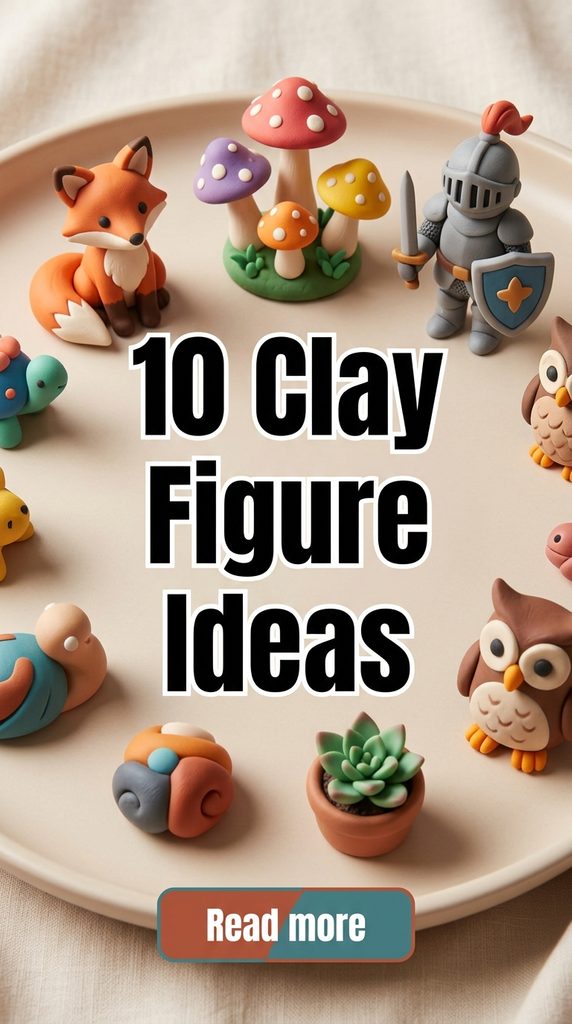
Clay modeling is a versatile, therapeutic art form that spans simple hand-built crafts to intricate sculptural showpieces. Whether you are using air-dry clay, polymer clay, or traditional ceramic clay, creating figures allows for endless experimentation with shape, texture, and color. Exploring fresh concepts helps sharpen fine motor skills, master structural armatures, and expand creative boundaries.
Understanding Clay Mediums and Techniques
Before diving into specific figure projects, selecting the right material and mastering core techniques will ensure structural stability and a smooth finish.
- Polymer Clay: Ideal for detailed miniatures, jewelry, and figures requiring vibrant colors. It holds fine detail exceptionally well and hardens when baked in a home oven.
- Air-Dry Clay: Best for medium-to-large decorative pieces that do not require baking. It dries naturally over 24 to 48 hours and takes acrylic paint easily.
- Ceramic Clay: Traditional clay that requires a kiln for firing and specialized glazes for finishing. It offers structural durability and classic aesthetic appeal.
Key techniques such as using aluminum foil armatures for inner stability, scoring and slipping to join pieces securely, and smoothing surfaces with mineral oil or water are essential steps across all project types.
Top 10 Clay Figure Ideas
1. Minimalist Animal Sculptures Minimalist animal figures focus on clean lines, soft curves, and simplified silhouettes rather than hyper-detailed textures. By reducing a fox, bear, or cat to its fundamental geometric forms, you create a timeless piece suitable for modern home decor. Smooth out all joins completely and finish with a soft satin varnish or pastel paint scheme.

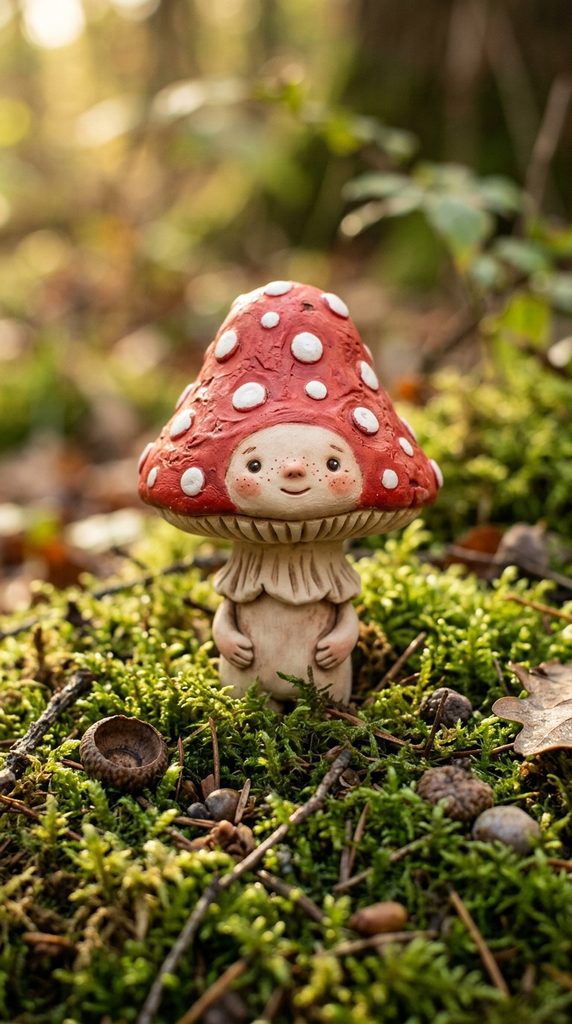
2. Whimsical Mushroom Folk Fantasy-inspired mushroom figures allow for creative character design. Combine organic stalk bodies with oversized cap hats, detailed with gills underneath and small painted facial expressions. Adding realistic details—like tiny sculpted snails resting on the cap or faux moss attached to the base—adds depth and charm.
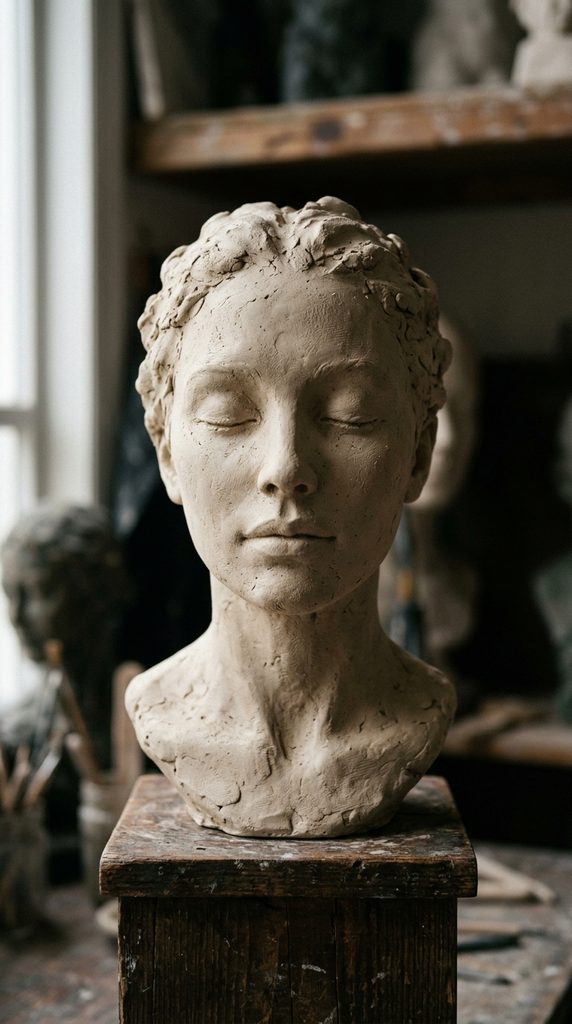
3. Expressive Mini Busts Creating small human portrait busts is a practical way to practice facial anatomy and expressions. Focus on capturing distinct emotional states, such as serenity, laughter, or contemplation. Use basic clay tools to define the eye sockets, nose structure, and hair flow. Leaving the finish monochrome or faux-bronze gives the piece a classical art feel.
4. Chibi Fantasy Characters Chibi style features exaggerated proportions—oversized heads, large expressive eyes, and small, compact bodies. This style is well-suited for sculpting fantasy archetypes like knights, wizards, or fairies. Focus on clean shapes and bold color blocking using polymer clay.

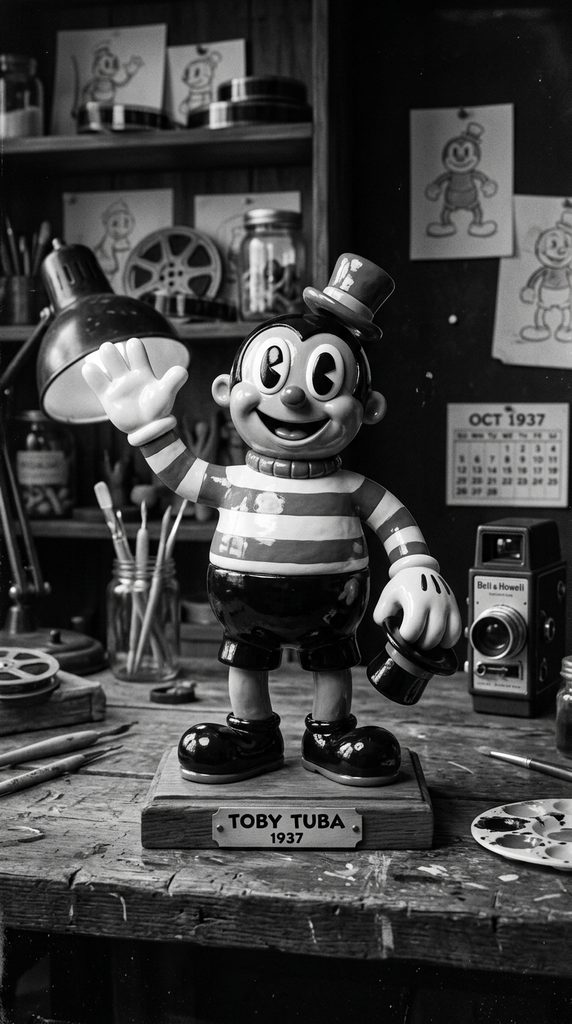
5. Vintage Cartoon Figurines Draw inspiration from 1930s rubber-hose animation styles featuring pie-eyes, exaggerated hand gestures, and dynamic poses. These figures rely heavily on smooth curves and strong silhouettes. Paint them in black, white, and gray tones to preserve the retro aesthetic, or use vibrant primary colors for a pop-art look.
6. Stylized Mythological Creatures Sculpting legendary creatures like dragons, phoenixes, or gryphons provides an opportunity to practice varied surface textures. Combine smooth polished body panels with detailed scales, feathered wings, or stylized horns. Using wire armatures inside limbs and wings is essential to maintain structural balance during sculpting and curing.

7. Modern Botanical Guardians Design humanoid or abstract figures integrated with plant elements, such as leaf-patterned hair, vine-wrapped limbs, or a hollow head designed to hold small air plants or succulents. Combining functional utility with figurative art makes these pieces a striking addition to desk setups and plant shelves.

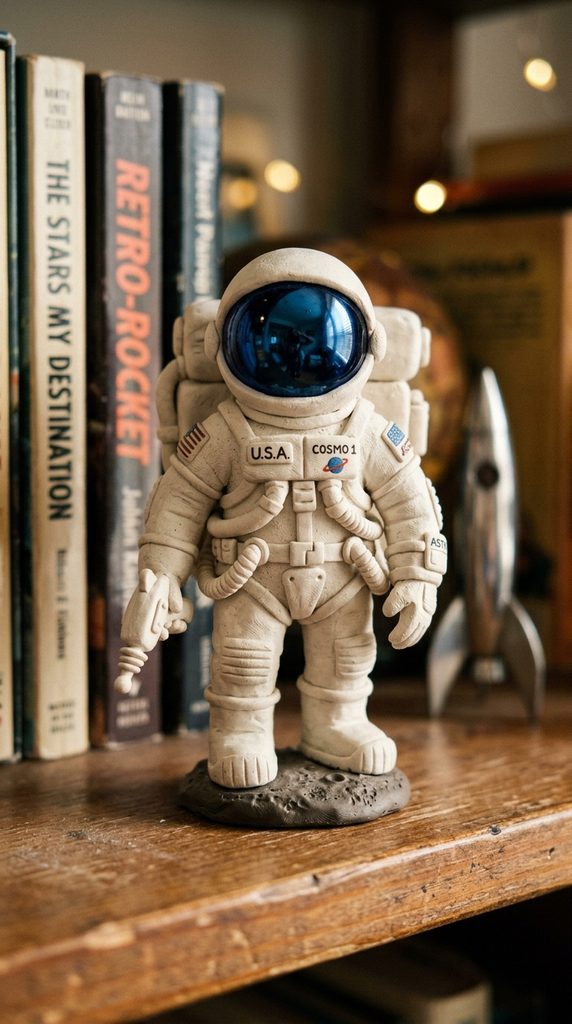
8. Retro Sci-Fi Astronauts Sculpt astronauts inspired by mid-century space-age aesthetics. Focus on rounded helmets, bulky suits, simple control panels, and retro pack gear. Clear gloss varnish applied strictly to the helmet visor creates a realistic glass effect that contrasts nicely with matte-painted suit textures.
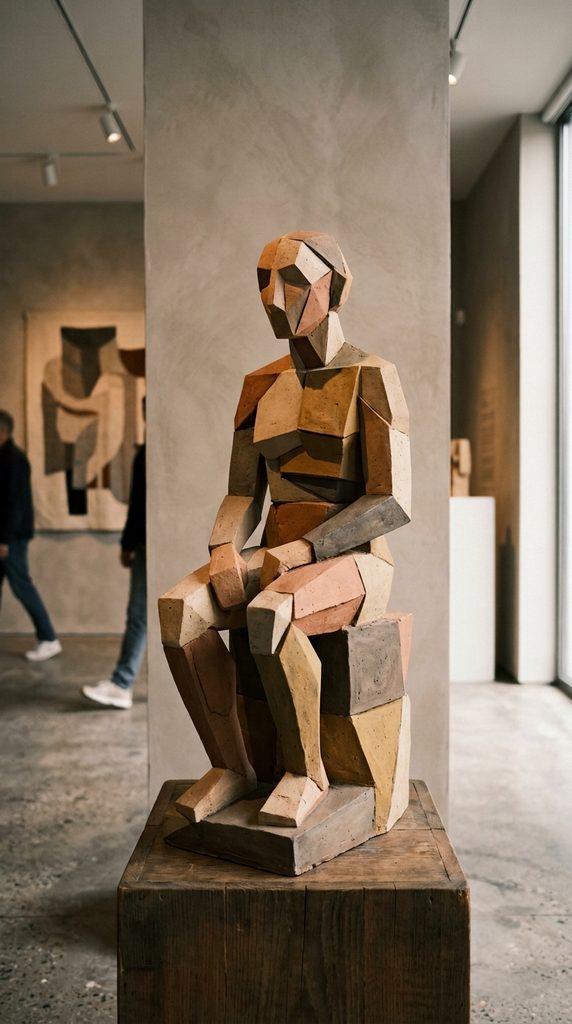
9. Abstract Geometric Figures Move away from realism by sculpting human figures constructed entirely from intersecting geometric shapes like spheres, cones, cubes, and cylinders. This exercise sharpens spatial awareness and balance while producing striking contemporary art objects. Neutral, earthy tones work best for painting these designs.
10. Cozy Reading Characters Capture quiet, everyday moments by sculpting figures curled up with books, sipping warm drinks, or wrapped in oversized blankets. Focus on the drape and folds of clothing to convey a sense of weight and comfort. Soft, warm color palettes complement the relaxed theme of these figures.

Tips for Finishing and Display
- Sanding: Once fully cured, sand air-dry or polymer clay with fine-grit sandpaper (400 to 1000 grit) under water to eliminate fingerprints and surface imperfections.
- Priming: Always apply a coat of acrylic gesso or neutral primer before painting to ensure even pigment adhesion.
- Sealing: Protect your finished paintwork with a quality spray sealer. Use matte finish for skin and cloth textures, and high-gloss finish for eyes, glass, or polished elements.